
Unveiling the Alchemic Secrets of Cheesy Perfection
At its heart, mac and cheese is a deceptively simple dish. Pasta, cheese sauce, bake (or don’t). Yet, the quest for the “perfect” mac and cheese often feels like a Sisyphean task. What are the underlying principles that separate a gloppy, grainy mess from a velvety, decadent masterpiece? It all boils down to understanding the science of cheese sauce. The key is emulsification – the process of suspending fat molecules (from the cheese and butter) in a water-based liquid (milk or pasta water). Cheese, with its complex structure of proteins, fats, and moisture, tends to seize up when heated directly, resulting in a grainy, separated sauce. The addition of a roux (butter and flour cooked together) provides a stable base, acting as an emulsifier to bind the fat and liquid together. The starch from the flour gelatinizes, thickening the sauce and preventing separation. Citric acid, often naturally present in aged cheeses or added via a touch of mustard powder, helps to lower the pH, further aiding in a smooth sauce. Think of it like this: you’re building a tiny, delicious fortress against the dreaded cheese sauce breakdown.The Holy Grail Recipe: Mac and Cheese Supreme
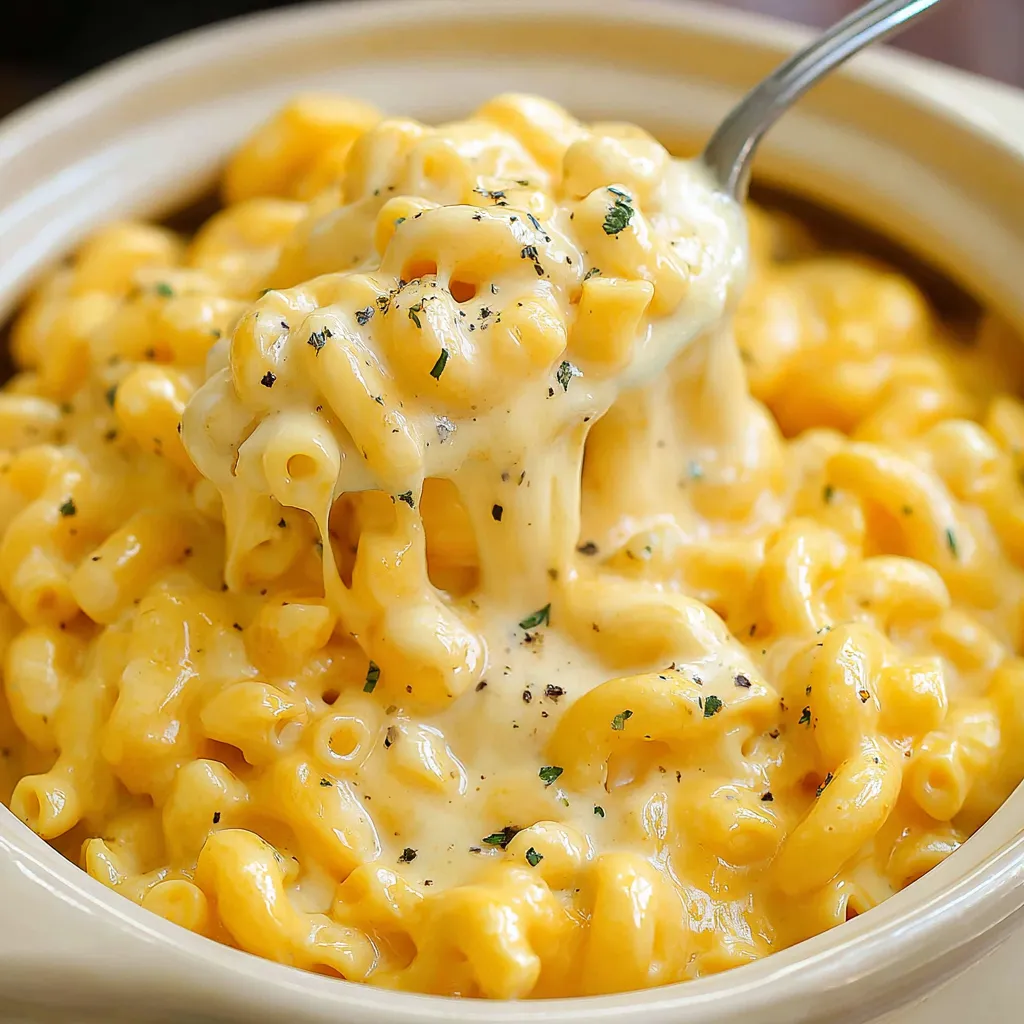 This recipe is the culmination of countless experiments, taste tests, and late-night cheese-fueled revelations. It’s designed to be foolproof, yielding a consistently creamy and flavorful mac and cheese every time.
Ingredients:
- 1 pound elbow macaroni
- 6 tablespoons unsalted butter
- 1/4 cup all-purpose flour
- 3 cups whole milk, warmed
- 1 teaspoon salt
- 1/2 teaspoon black pepper
- 1/4 teaspoon mustard powder
- 1/4 teaspoon garlic powder
- 4 cups (about 1 pound) shredded cheese, a blend of sharp cheddar, Gruyere, and Monterey Jack
- Optional: 1/2 cup panko breadcrumbs, 2 tablespoons melted butter
Instructions:
- Preheat oven to 350°F (175°C) if baking.
- Cook macaroni according to package directions until al dente. Drain and set aside. Do not overcook!
- While pasta is cooking, prepare the cheese sauce. In a large saucepan, melt butter over medium heat. Whisk in flour and cook for 1-2 minutes, until smooth and golden (this is your roux).
- Gradually whisk in warm milk, ensuring no lumps form. Continue whisking until the sauce thickens slightly, about 5-7 minutes.
- Remove from heat and stir in salt, pepper, mustard powder, and garlic powder.
- Add cheese, one handful at a time, stirring until completely melted and smooth after each addition.
- Add cooked macaroni to the cheese sauce and stir until well coated.
- Pour macaroni and cheese into a greased 9×13 inch baking dish (or individual ramekins).
- Optional: In a small bowl, combine panko breadcrumbs and melted butter. Sprinkle over the top of the macaroni and cheese.
- Bake for 20-25 minutes, or until golden brown and bubbly. If not baking, serve immediately.
From Disaster to Delight: My Mac and Cheese Odyssey
My journey to mac and cheese perfection was paved with good intentions and, frankly, a lot of curdled cheese. Like many of you, I initially thought it was as simple as boiling pasta and melting cheese. My first few attempts were a disaster: grainy sauce, separated cheese, pasta swimming in greasy liquid. The horror!The Great Cheese Separation Debacle
My initial mistake was using pre-shredded cheese. While convenient, these cheeses are often coated with cellulose to prevent clumping, which also inhibits melting and contributes to a grainy texture. I also wasn’t using enough liquid, resulting in a thick, pasty mess.Roux Awakening
Then, I had an “Aha!” moment when I stumbled upon the concept of a roux. The roux acts as a stabilizer, preventing the cheese from seizing up and creating a smooth, creamy sauce. Learning to properly cook the roux (until golden brown and fragrant) was a game-changer. I also found that warming the milk before adding it to the roux helped to prevent the sauce from cooling down too quickly and becoming lumpy.The Cheese Blend Revelation
Experimenting with different cheese blends also proved crucial. While sharp cheddar provides that classic mac and cheese flavor, adding Gruyere for its nutty notes and Monterey Jack for its meltability elevated the dish to a whole new level. Pre-shredded cheese was banished from my kitchen, replaced with blocks of cheese that I painstakingly shredded myself. The difference was astounding. And I found I could create variations such as Shredded Bbq Chicken Mac And Cheese (https://easymealstoprep.com/irresistible-shredded-bbq-chicken-mac-and-cheese/) for added interest.The Citric Acid Secret
Finally, I discovered the importance of citric acid. A small amount of mustard powder added to the sauce helps to lower the pH, further preventing the cheese from separating. It’s a subtle but effective trick that contributes to the overall smoothness of the sauce. And while on the topic of easy cheesy bakes, adding Rotel to your pasta bake as in this Rotel Pasta Bake (Rotel Pasta Bake) is also a great flavor enhancer.The Foolproof Method: A Step-by-Step Guide to Mac and Cheese Mastery
After years of experimentation and countless batches of mac and cheese, I’ve distilled the process down to a simple, foolproof method.- Cook Pasta Properly: Cook elbow macaroni (or your favorite pasta shape) al dente. Overcooked pasta will become mushy in the cheese sauce.
- Master the Roux: Cook butter and flour together until smooth and golden brown. This is the foundation of your creamy sauce.
- Warm the Milk: Warming the milk before adding it to the roux helps to prevent lumps from forming.
- Use a Blend of Cheeses: Combine sharp cheddar with other cheeses like Gruyere or Monterey Jack for a more complex flavor and texture.
- Shred Your Own Cheese: Avoid pre-shredded cheese, which often contains cellulose that inhibits melting.
- Add Cheese Gradually: Add cheese to the sauce one handful at a time, stirring until completely melted and smooth after each addition.
- Incorporate Citric Acid: A touch of mustard powder (or a squeeze of lemon juice) helps to prevent the cheese from separating.
- Don’t Overbake: If baking, bake until golden brown and bubbly, but avoid overbaking, which can dry out the mac and cheese.
What is the key to preventing grainy or separated cheese sauce in mac and cheese?
The key is emulsification, achieved by using a roux (butter and flour cooked together) to stabilize the fat and liquid in the cheese sauce. Citric acid, like from mustard powder, also helps to lower the pH and prevent separation.
Why is it important to shred your own cheese instead of using pre-shredded cheese?
Pre-shredded cheese is often coated with cellulose to prevent clumping, which inhibits melting and contributes to a grainy texture. Shredding your own cheese allows for better melting and a smoother sauce.
What is a good blend of cheeses to use for mac and cheese, according to the article?
The article recommends a blend of sharp cheddar, Gruyere, and Monterey Jack for a complex flavor and excellent meltability.
Why is it important to warm the milk before adding it to the roux when making the cheese sauce?
Warming the milk before adding it to the roux helps to prevent the sauce from cooling down too quickly and becoming lumpy.
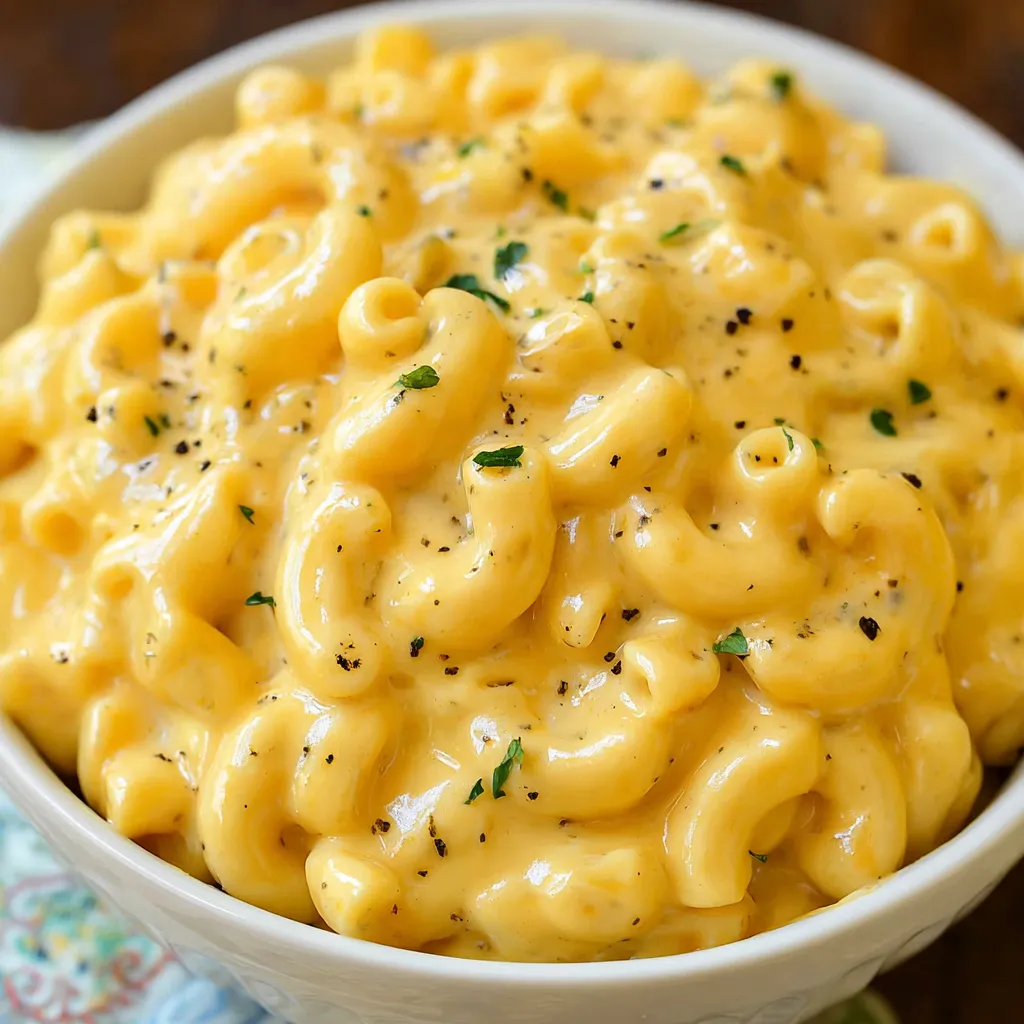
Perfect Mac and Cheese
This recipe delivers the ultimate creamy and cheesy mac and cheese experience. It focuses on creating a stable cheese sauce using a roux and a blend of cheeses for a decadent and satisfying dish that can be baked or served immediately.
Ingredients
Equipment
Method
- Preheat oven to 350°F (175°C) if baking.
- Cook macaroni according to package directions until al dente. Drain and set aside. Do not overcook!
- While pasta is cooking, prepare the cheese sauce. In a large saucepan, melt butter over medium heat.
- Whisk in flour and cook for 1-2 minutes, until smooth and golden (this is your roux).
- Gradually whisk in warm milk, ensuring no lumps form. Continue whisking until the sauce thickens slightly, about 5-7 minutes.
- Remove from heat and stir in salt, pepper, mustard powder, and garlic powder.
- Add cheese, one handful at a time, stirring until completely melted and smooth after each addition.
- Add cooked macaroni to the cheese sauce and stir until well coated.
- Pour macaroni and cheese into a greased 9×13 inch baking dish (or individual ramekins).
- In a small bowl, combine panko breadcrumbs and melted butter (optional). Sprinkle over the top of the macaroni and cheese (optional).
- Bake for 20-25 minutes, or until golden brown and bubbly (optional). If not baking, serve immediately.
Notes
For the best results, shred your own cheese. Pre-shredded cheese often contains cellulose, which can prevent it from melting smoothly. Warming the milk before adding it to the roux helps prevent lumps from forming. Store leftovers in an airtight container in the refrigerator for up to 3 days. Reheat gently on the stovetop or in the microwave.