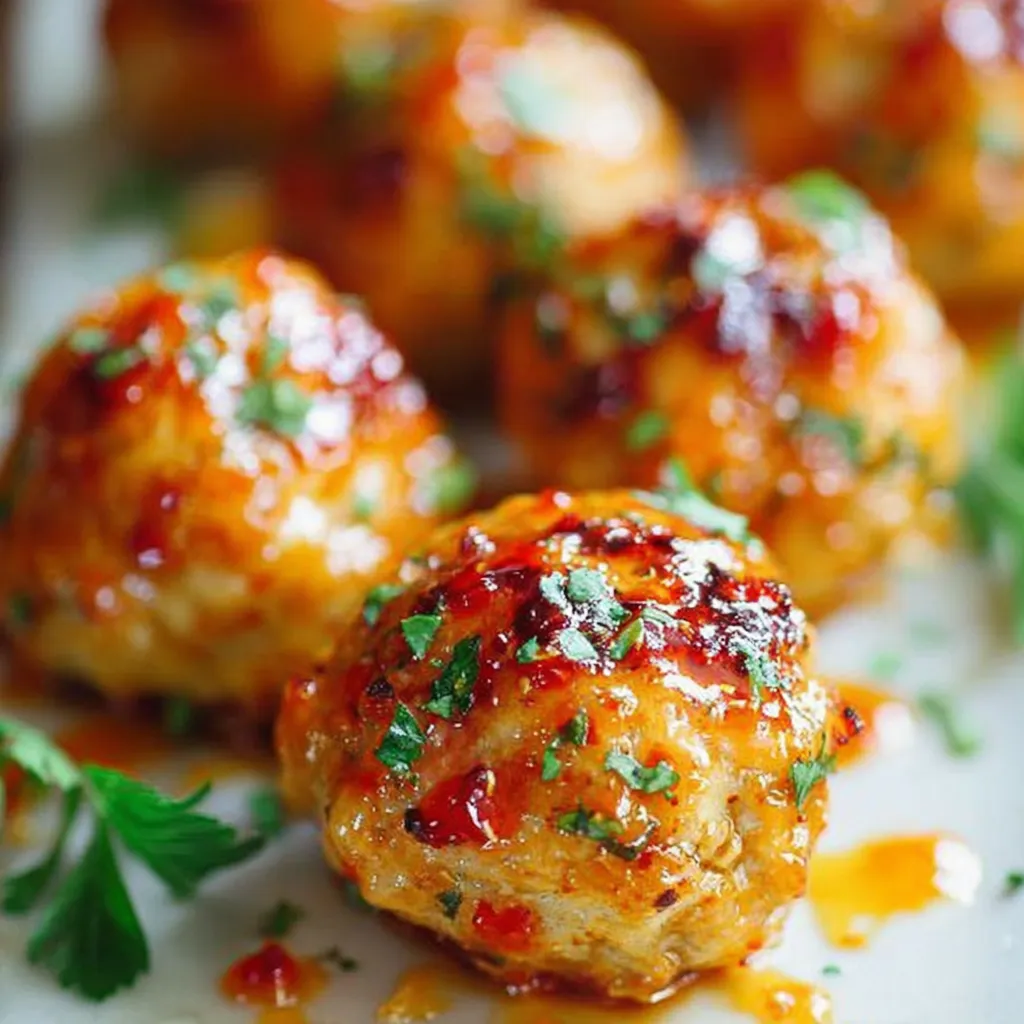

The Alchemical Dance of Heat: Understanding the Skillet Science
The magic (and sometimes, the frustration) of skillet cooking lies in understanding heat transfer and moisture control. Chicken, being a protein, requires a certain internal temperature to be safe and palatable. Vegetables, on the other hand, vary wildly in their cooking times due to differences in water content and density. Carrots, for example, need longer than zucchini. The skillet material itself plays a crucial role. Cast iron retains heat beautifully but can create hot spots. Stainless steel heats more evenly, but may require more oil to prevent sticking. The key is understanding these variables and manipulating them to your advantage. One of the most crucial elements when considering Southwest Skillet is understanding how the heat distributes throughout the pan.The Ultimate Skillet Chicken and Veggies Recipe
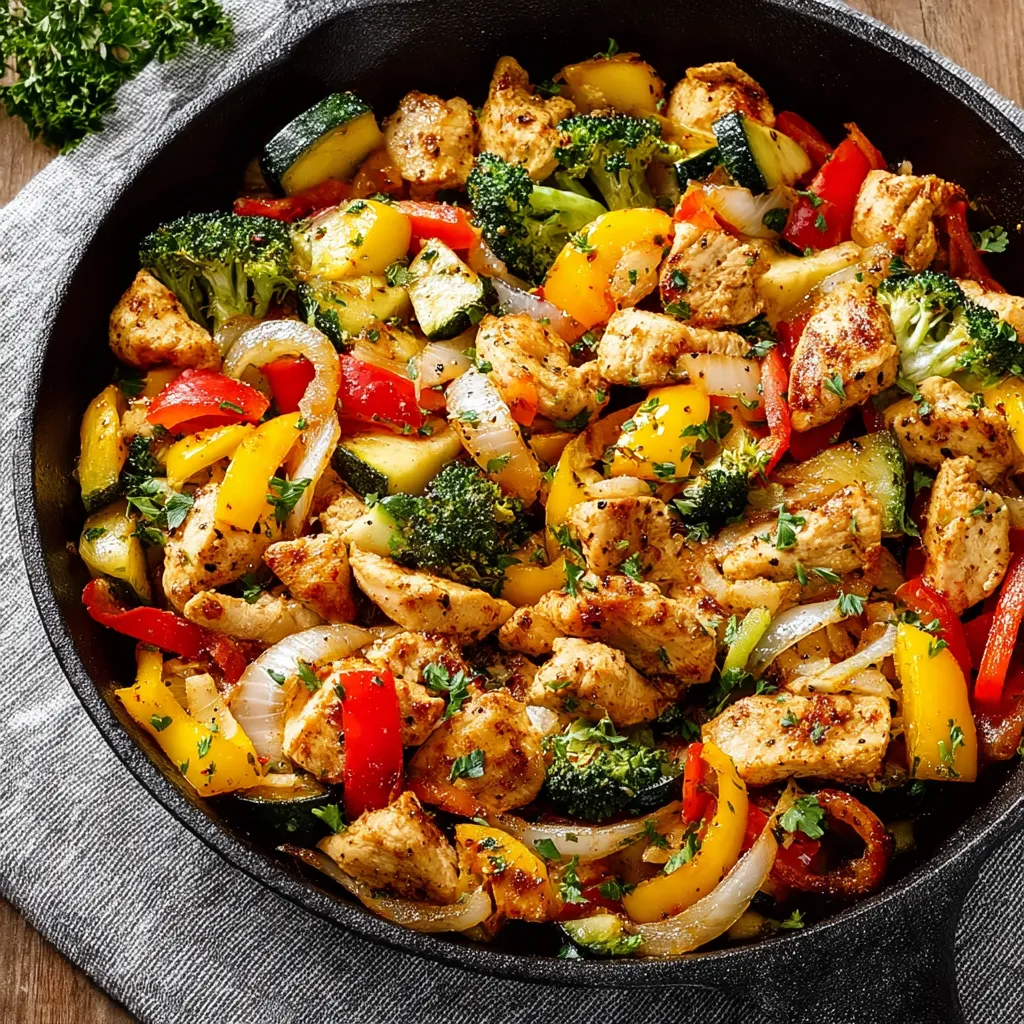 This recipe is the culmination of countless trials and errors, designed to deliver perfectly cooked chicken and vegetables every time. It’s also a fantastic example of one of those Healthy Dinner Recipes For Cholesterol, packed with protein and fiber.
Ingredients:
- 1.5 lbs boneless, skinless chicken breasts, cut into 1-inch pieces
- 1 tbsp olive oil
- 1 medium onion, chopped
- 2 cloves garlic, minced
- 1 red bell pepper, chopped
- 1 yellow bell pepper, chopped
- 1 cup broccoli florets
- 1 cup sliced carrots
- 1 zucchini, chopped
- 1 (14.5 oz) can diced tomatoes, undrained
- 1 tsp dried oregano
- 1 tsp dried basil
- 1/2 tsp salt
- 1/4 tsp black pepper
- Optional: Red pepper flakes, to taste
- Optional: Fresh parsley, chopped, for garnish
Instructions:
- Prepare the Chicken: Pat the chicken pieces dry with paper towels. This is crucial for browning. Season with salt, pepper, and a pinch of red pepper flakes (if using).
- Sear the Chicken: Heat the olive oil in a large skillet over medium-high heat. Add the chicken and sear on all sides until golden brown. Don’t overcrowd the pan; you may need to do this in batches. Remove the chicken from the skillet and set aside.
- Sauté the Aromatics: Add the onion to the skillet and cook until softened, about 5 minutes. Add the garlic and cook for another minute until fragrant.
- Add the Vegetables: Add the carrots, bell peppers, and broccoli to the skillet. Cook, stirring occasionally, until the carrots are slightly tender, about 5-7 minutes.
- Add the Remaining Ingredients: Stir in the zucchini, diced tomatoes (undrained), oregano, and basil. Bring to a simmer.
- Return the Chicken: Return the chicken to the skillet. Stir to combine.
- Simmer: Reduce the heat to medium-low, cover the skillet, and simmer for 15-20 minutes, or until the chicken is cooked through and the vegetables are tender. The internal temperature of the chicken should reach 165°F (74°C).
- Serve: Garnish with fresh parsley (if using) and serve immediately. This makes for great Low Carb Meals With Vegetables.
My Skillet Saga: A Culinary Confessional
My journey to skillet chicken perfection was paved with good intentions and, initially, disastrous results. Like many of you, I initially thought it was as simple as throwing everything into a pan and hoping for the best. Oh, how wrong I was!The Dry Chicken Debacle
My first few attempts were a disaster. The chicken was always dry and overcooked, while the vegetables were either undercooked or mushy. I couldn’t figure out what I was doing wrong. I tried marinating the chicken, using different cuts, even adding more liquid. Nothing seemed to work consistently. It felt like I was miles away from a Loaded Chicken And Veggie Skillet.The Vegetable Vexation
Then came the vegetable phase. I experimented with different combinations and cooking times. Some vegetables would be perfectly cooked, while others would be either rock hard or complete mush. I realized that the order in which I added the vegetables was crucial. Heartier vegetables like carrots needed more time than softer ones like zucchini.The Browning Breakthrough
Then, I had an “Aha!” moment while reading about the Maillard reaction. Browning the chicken before adding the vegetables not only added flavor but also helped to seal in moisture. This was a game-changer! Suddenly, my chicken wasn’t drying out as quickly.The Simmering Solution
Finally, I discovered the importance of simmering. Reducing the heat and covering the skillet allowed the chicken and vegetables to cook evenly without drying out or burning. The simmering process also allowed the flavors to meld together beautifully. I was starting to get closer to the Chicken Parmesan Casserole level of culinary satisfaction.The Secret Weapon: The Foolproof Skillet Technique
After countless experiments, I’ve distilled the process down to a foolproof technique that guarantees perfectly cooked chicken and tender-crisp vegetables every time. This technique is a significant upgrade over simply throwing ingredients into a Chicken Spinach Mushroom Bake and hoping for the best.- Prep is Key: Chop all your vegetables into uniform sizes to ensure even cooking.
- Dry the Chicken: Pat the chicken dry with paper towels before searing. This promotes browning and prevents steaming.
- Sear the Chicken: Sear the chicken in a hot skillet to lock in moisture and add flavor. Don’t overcrowd the pan.
- Layer the Vegetables: Add the vegetables in order of cooking time, starting with the heartier ones like carrots and ending with the softer ones like zucchini.
- Simmer with Liquid: Add a liquid, such as diced tomatoes or chicken broth, to create steam and help the vegetables cook evenly.
- Cover and Simmer: Cover the skillet and simmer over low heat until the chicken is cooked through and the vegetables are tender.
- Rest (Optional): Let the skillet rest for a few minutes before serving to allow the juices to redistribute. Just like preparing Creamy Garlic Parmesan Crockpot Chicken Irresistible, a resting period can be beneficial.
How do I prevent my chicken from drying out when cooking it in a skillet with vegetables?
Pat the chicken dry before searing it in a hot skillet to lock in moisture and add flavor. Do not overcrowd the pan. Also, simmer the chicken and vegetables with liquid and cover the skillet to cook them evenly without drying out.
What is the best way to ensure the vegetables in the skillet are cooked properly and not mushy or undercooked?
Chop the vegetables into uniform sizes to ensure even cooking. Add the vegetables in order of cooking time, starting with the heartier ones like carrots and ending with the softer ones like zucchini. Simmer with liquid and cover.
Why is searing the chicken important in this skillet recipe?
Searing the chicken in a hot skillet helps to lock in moisture and adds flavor through the Maillard reaction, preventing the chicken from drying out during cooking.
What temperature should the chicken reach to be considered fully cooked and safe to eat?
The internal temperature of the chicken should reach 165°F (74°C) to be considered fully cooked and safe to eat.
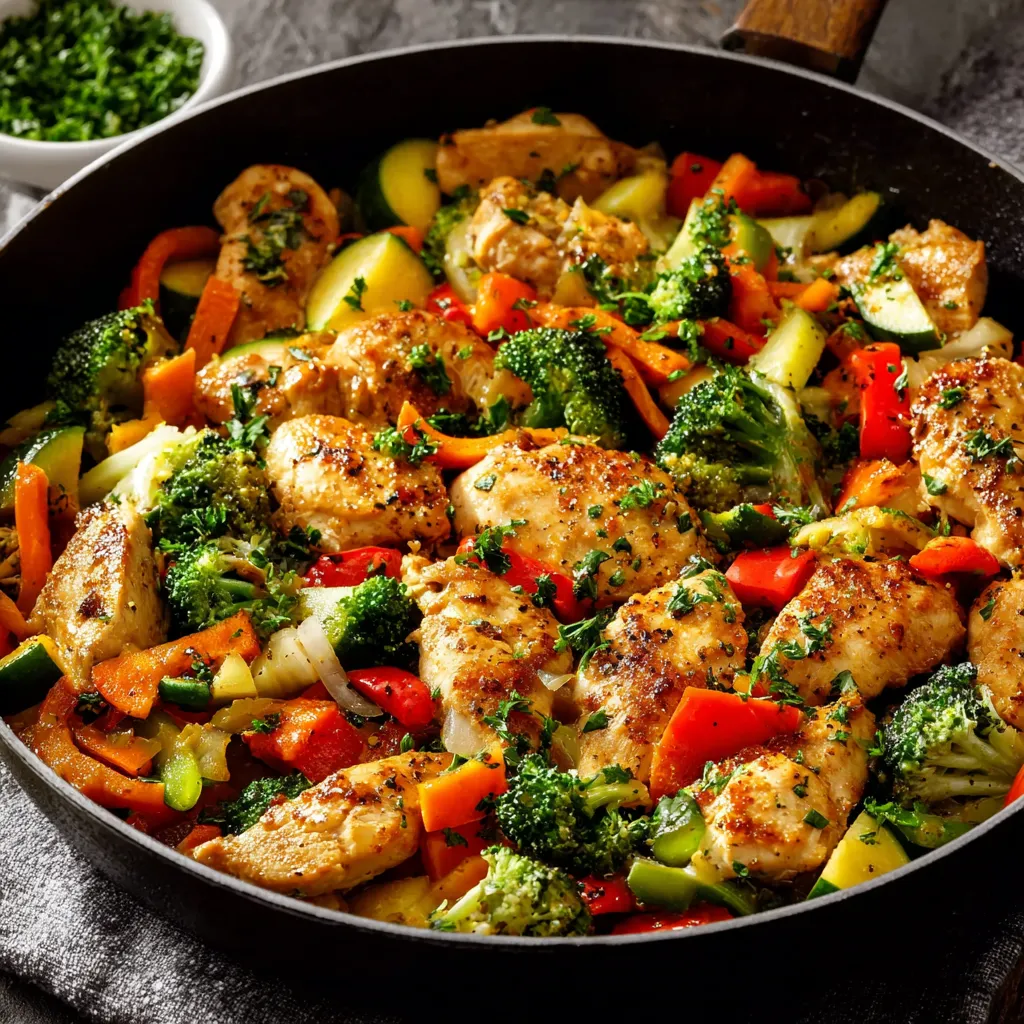
Easy Skillet Chicken and Vegetables
This recipe delivers perfectly cooked chicken and tender-crisp vegetables in a single skillet. It’s a healthy and delicious meal packed with protein and fiber, perfect for a quick weeknight dinner.
Ingredients
Equipment
Method
- Prepare the Chicken: Pat the chicken pieces dry with paper towels. Season with salt, pepper, and a pinch of red pepper flakes (if using).
- Sear the Chicken: Heat the olive oil in a large skillet over medium-high heat. Add the chicken and sear on all sides until golden brown. Don’t overcrowd the pan; you may need to do this in batches. Remove the chicken from the skillet and set aside.
- Sauté the Aromatics: Add the onion to the skillet and cook until softened, about 5 minutes. Add the garlic and cook for another minute until fragrant.
- Add the Vegetables: Add the carrots, bell peppers, and broccoli to the skillet. Cook, stirring occasionally, until the carrots are slightly tender, about 5-7 minutes.
- Add the Remaining Ingredients: Stir in the zucchini, diced tomatoes (undrained), oregano, and basil. Bring to a simmer.
- Return the Chicken: Return the chicken to the skillet. Stir to combine.
- Simmer: Reduce the heat to medium-low, cover the skillet, and simmer for 15-20 minutes, or until the chicken is cooked through and the vegetables are tender. The internal temperature of the chicken should reach 165°F (74°C).
- Serve: Garnish with fresh parsley (if using) and serve immediately.
Notes
For best results, chop the vegetables into uniform sizes to ensure even cooking. You can substitute other vegetables based on your preference. Store leftovers in an airtight container in the refrigerator for up to 3 days. For a spicier dish, add more red pepper flakes or a pinch of cayenne pepper. Chicken broth can be used instead of diced tomatoes for a different flavor profile.