
Decoding the Creaminess: The Science Behind the Sauce
The secret to a truly creamy Romano sauce, one that clings beautifully to the chicken and pasta, isn’t just about heavy cream and cheese. It’s about emulsion stability and flavor layering. The Romano cheese, with its sharp, salty profile, needs a rich vehicle to carry its flavor without becoming grainy. Heavy cream provides the richness, but simply combining the two often results in a sauce that separates or becomes overly thick and gluey. The key here is starch. A small amount of starch, either from the pasta water or a cornstarch slurry, acts as an emulsifier, helping to bind the fat molecules in the cream with the water molecules, preventing separation. Furthermore, a touch of acidity, like lemon juice or white wine, brightens the flavor and cuts through the richness, preventing the sauce from becoming heavy and one-dimensional. Finally, understanding Maillard reaction is crucial. Browning the chicken properly not only adds flavor but also creates fond – those delicious browned bits on the bottom of the pan – which deglazes and contributes depth to the sauce.The Ultimate Creamy Romano Chicken Recipe
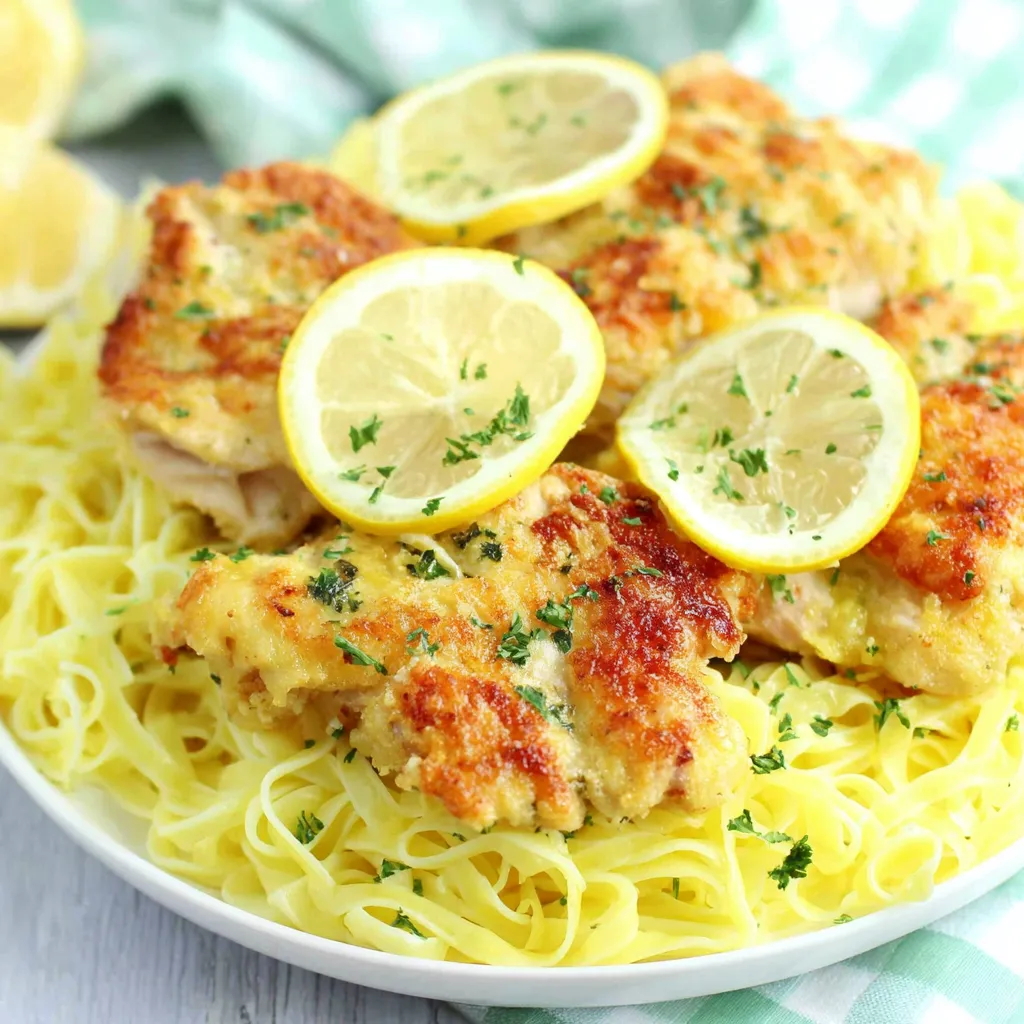 This recipe combines the principles of emulsion stability, flavor layering, and Maillard browning to create a Creamy Romano Chicken dish that rivals any restaurant version.
Ingredients:
- Chicken: 2 boneless, skinless chicken breasts, about 6-8 ounces each
- Seasoning: Salt, black pepper, garlic powder, onion powder, Italian seasoning
- Flour: 1/4 cup all-purpose flour
- Oil: 2 tablespoons olive oil
- Butter: 2 tablespoons unsalted butter
- Garlic: 4 cloves, minced
- Chicken Broth: 1/2 cup
- Heavy Cream: 1 cup
- Romano Cheese: 1/2 cup, freshly grated
- Parmesan Cheese: 1/4 cup, freshly grated
- Lemon Juice: 1 tablespoon
- Pasta: 8 ounces fettuccine or linguine
- Fresh Parsley: 2 tablespoons, chopped, for garnish
Instructions:
- Prepare the Chicken: Pat the chicken breasts dry with paper towels. Season generously with salt, pepper, garlic powder, onion powder, and Italian seasoning. Dredge the chicken in the flour, shaking off any excess.
- Sear the Chicken: Heat the olive oil in a large skillet over medium-high heat. Add the chicken breasts and sear for 4-5 minutes per side, or until golden brown and cooked through. Remove the chicken from the skillet and set aside.
- Make the Sauce: Add the butter to the skillet. Once melted, add the minced garlic and sauté for 30 seconds, or until fragrant. Pour in the chicken broth and deglaze the pan, scraping up any browned bits from the bottom.
- Create the Cream Sauce: Stir in the heavy cream and bring to a simmer. Reduce the heat to low and simmer for 2-3 minutes, or until slightly thickened. Gradually whisk in the Romano cheese and Parmesan cheese until melted and smooth. Stir in the lemon juice.
- Combine and Serve: Slice the cooked chicken breasts and add them back to the skillet with the sauce. Toss to coat. Meanwhile, cook the pasta according to package directions. Drain the pasta and add it to the skillet with the chicken and sauce. Toss to combine. Garnish with fresh parsley and serve immediately.
My Creamy Romano Chicken Crusade: A Culinary Investigation
My journey to perfect Creamy Romano Chicken wasn’t exactly smooth sailing. Like many of you, I initially thought it was as simple as throwing everything into a pan and hoping for the best. My first few attempts were a disaster – the sauce would either separate into an oily mess or turn into an unappetizing, gluey blob.The Great Sauce Separation Debacle
My initial failures were primarily due to a lack of understanding of emulsion stability. I’d simply combine the cream and cheese, heat it up, and then be shocked when the sauce separated. The fat molecules in the cream were repelling the water molecules, leading to an unappetizing, greasy sauce. I tried adding more cheese, hoping it would somehow bind everything together, but that only made things worse.The Starch Solution Revelation
Then, I had an “Aha!” moment after watching a cooking show where the chef used pasta water to thicken a sauce. I realized that the starch in the pasta water was acting as an emulsifier, binding the fat and water molecules together. I started experimenting with adding a small amount of reserved pasta water to my Romano sauce, and the results were immediately noticeable. The sauce became smoother, creamier, and much more stable. I also experimented with cornstarch slurry with great success.The Browning Breakthrough: Unlocking Flavor with Fond
Another key realization came when I started paying closer attention to browning the chicken. Initially, I just tossed the chicken in the pan and cooked it through, focusing more on ensuring it was fully cooked than on achieving a good sear. However, I soon realized that browning the chicken not only added flavor to the chicken itself but also created fond on the bottom of the pan. Deglazing the pan with chicken broth after searing the chicken allowed me to scrape up those flavorful browned bits, adding depth and complexity to the sauce.The Acidic Awakening: Lemon’s Zesty Secret
Finally, I discovered the importance of acidity in balancing the richness of the sauce. The Creamy Romano sauce, while delicious, can be quite heavy if not properly balanced. Adding a tablespoon of lemon juice brightened the flavor and cut through the richness, preventing the sauce from becoming overwhelming. It’s the little things that make a big difference, and the lemon juice was the missing piece of the puzzle.The Foolproof Technique: Mastering Creamy Romano Chicken
After countless experiments and a few kitchen mishaps, I’ve distilled the process of making Creamy Romano Chicken down to a few simple, foolproof steps. Follow these, and you’ll be enjoying restaurant-quality Creamy Romano Chicken in no time.- Proper Chicken Prep: Pat the chicken dry and season generously. Dredge lightly in flour for a beautiful sear.
- Master the Sear: Sear the chicken in hot oil until golden brown on both sides. Don’t overcrowd the pan. Remove the chicken and set aside.
- Aromatic Foundation: Sauté minced garlic in butter until fragrant. Don’t burn the garlic.
- Deglaze for Depth: Deglaze the pan with chicken broth, scraping up any browned bits from the bottom. This adds tremendous flavor to the sauce.
- Creamy Emulsion: Stir in the heavy cream and simmer until slightly thickened. Gradually whisk in the Romano and Parmesan cheese until melted and smooth.
- Acidic Balance: Stir in the lemon juice to brighten the flavor and cut through the richness.
- Combine and Conquer: Slice the cooked chicken and add it back to the skillet with the sauce. Toss to coat. Add cooked pasta and toss again.
- Garnish and Glory: Garnish with fresh parsley and serve immediately.
Why does the Creamy Romano sauce sometimes separate or become oily?
The separation occurs due to a lack of emulsion stability. The fat molecules in the cream repel the water molecules. Adding a small amount of starch, such as from pasta water or a cornstarch slurry, acts as an emulsifier to bind them together.
What is the importance of browning the chicken for this recipe?
Browning the chicken adds flavor to the chicken and creates fond (browned bits) on the bottom of the pan. Deglazing the pan with chicken broth allows you to scrape up these flavorful bits, adding depth and complexity to the sauce.
Why is lemon juice added to the Creamy Romano sauce?
Lemon juice is added to brighten the flavor and cut through the richness of the sauce. It helps to balance the overall flavor profile and prevents the sauce from becoming too heavy.
What role does flour play in this recipe?
The chicken is dredged lightly in flour before searing. This helps it achieve a beautiful sear and golden-brown color.
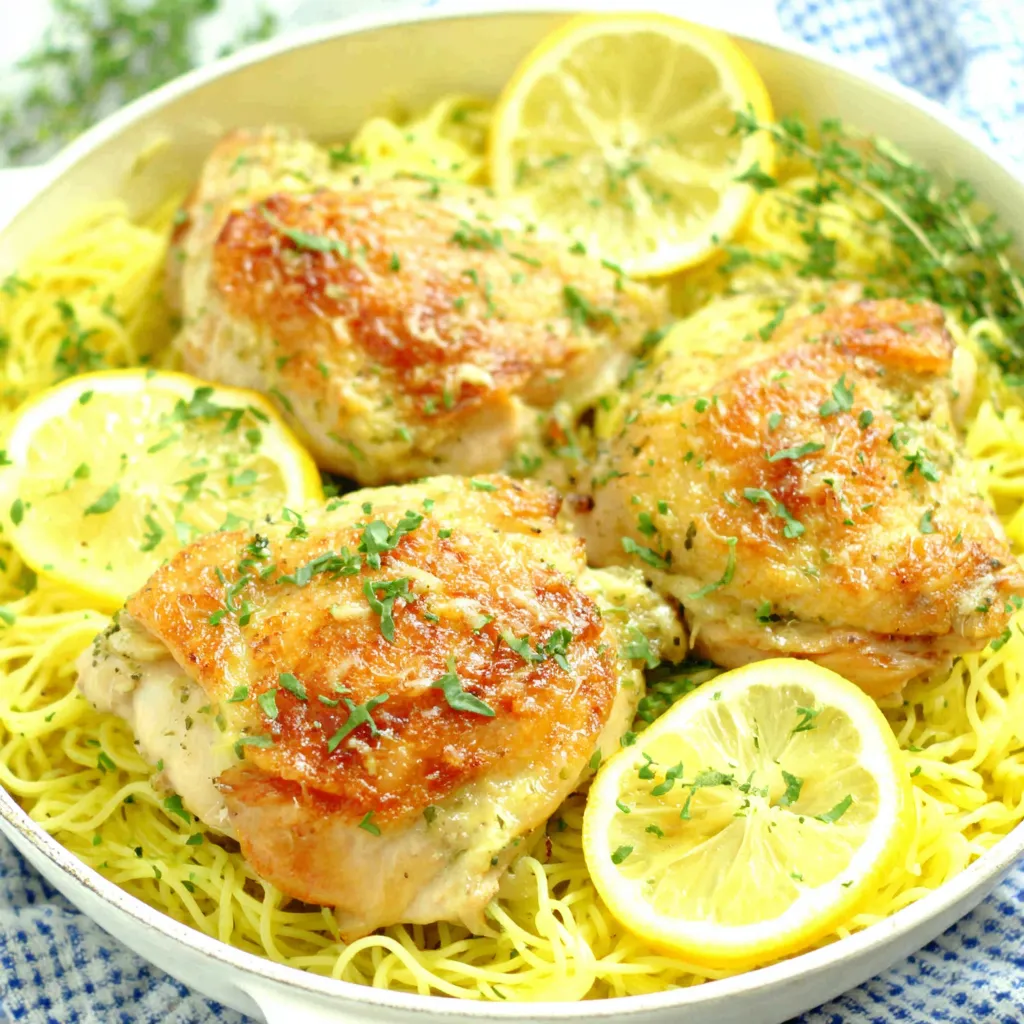
Ultimate Creamy Romano Chicken
Ingredients
Equipment
Method
- Pat the chicken breasts dry with paper towels. Season generously with salt, pepper, garlic powder, onion powder, and Italian seasoning. Dredge the chicken in the flour, shaking off any excess.
- Heat the olive oil in a large skillet over medium-high heat. Add the chicken breasts and sear for 4-5 minutes per side, or until golden brown and cooked through. Remove the chicken from the skillet and set aside.
- Add the butter to the skillet. Once melted, add the minced garlic and sauté for 30 seconds, or until fragrant. Pour in the chicken broth and deglaze the pan, scraping up any browned bits from the bottom.
- Stir in the heavy cream and bring to a simmer. Reduce the heat to low and simmer for 2-3 minutes, or until slightly thickened. Gradually whisk in the Romano cheese and Parmesan cheese until melted and smooth. Stir in the lemon juice.
- Slice the cooked chicken breasts and add them back to the skillet with the sauce. Toss to coat. Meanwhile, cook the pasta according to package directions.
- Drain the pasta and add it to the skillet with the chicken and sauce. Toss to combine. Garnish with fresh parsley and serve immediately.