
Decoding the Deliciousness: The Science Behind Monterey Chicken Spaghetti
At its core, Monterey Chicken Spaghetti is a symphony of flavors and textures, brought together by a creamy, cheesy sauce. The science behind its success lies in understanding how each ingredient interacts with the others. The foundation is, of course, the pasta. Starch gelatinization is key – cooking the spaghetti to *al dente* ensures a slight chewiness that contrasts beautifully with the tender chicken and creamy sauce. Overcooked pasta becomes mushy and loses its textural appeal. The sauce itself is an emulsion, a delicate balance of fat and water-based liquids (cream and chicken broth). The cheese, typically Monterey Jack, contributes not only flavor but also emulsifying proteins that help stabilize the sauce and prevent it from separating. Onions and bell peppers provide aromatic compounds that enhance the overall flavor profile. Think of the Maillard reaction occurring as they soften in butter, creating hundreds of volatile compounds that contribute to the dish’s savory depth. Finally, the chicken. Whether it’s grilled, baked, or shredded rotisserie chicken, the protein contributes umami, a savory flavor that rounds out the sweetness of the cheese and the tang of any added seasonings. The choice of cooking method impacts both flavor and texture – grilled chicken brings a smoky char, while rotisserie offers convenience and consistent moisture.The Definitive Monterey Chicken Spaghetti Recipe
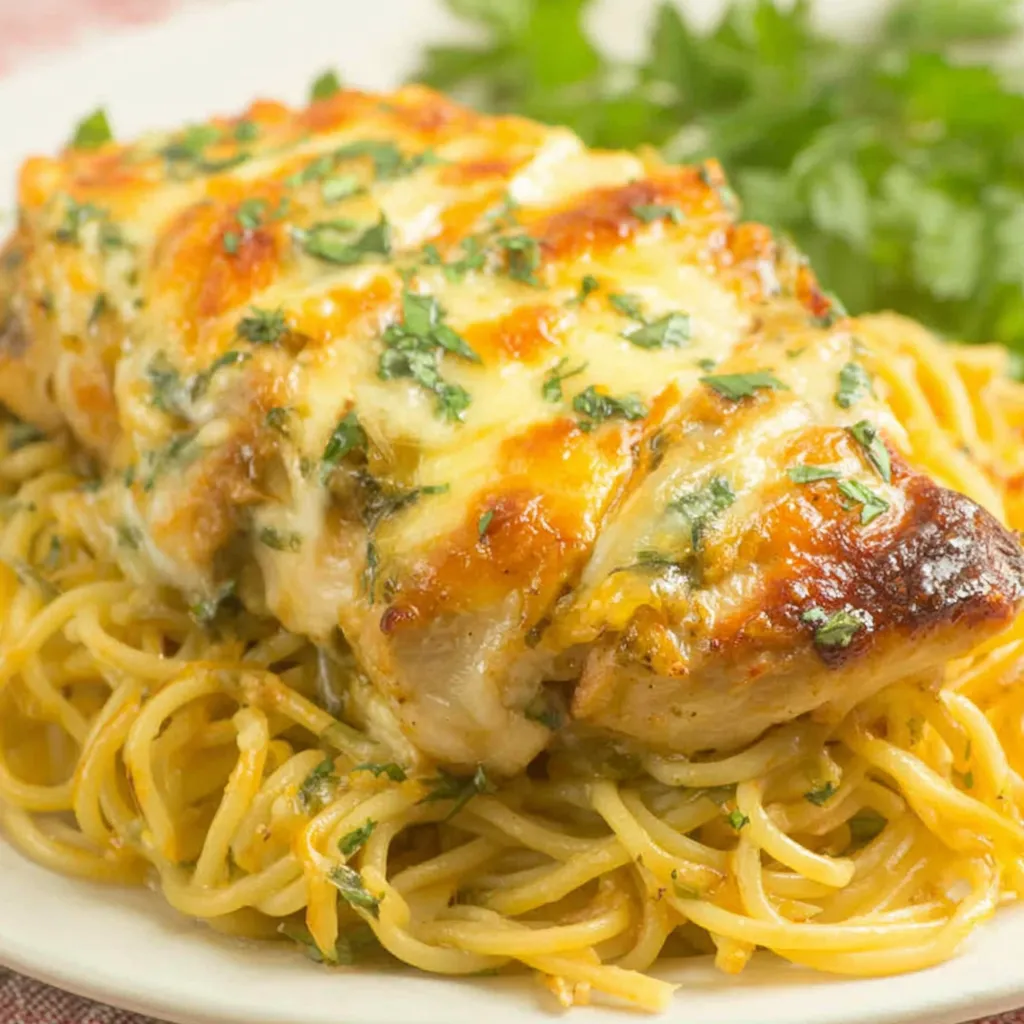 This recipe reflects the ideal balance I’ve found after countless iterations, focusing on maximizing flavor and texture.
Ingredients:
- 1 pound spaghetti
- 1 tablespoon olive oil
- 1 large onion, chopped
- 1 green bell pepper, chopped
- 1 red bell pepper, chopped
- 1 pound boneless, skinless chicken breasts, cooked and shredded (or rotisserie chicken)
- 1 (10.75 ounce) can condensed cream of chicken soup
- 1 (10 ounce) can diced tomatoes and green chilies (like Rotel), undrained
- 1 cup chicken broth
- 8 ounces Monterey Jack cheese, shredded
- 4 ounces cheddar cheese, shredded
- 1/2 cup heavy cream
- 1 teaspoon garlic powder
- 1/2 teaspoon onion powder
- Salt and pepper to taste
- Optional: 1/4 cup chopped fresh cilantro for garnish
Instructions:
- Cook spaghetti according to package directions until al dente. Drain well.
- While spaghetti is cooking, heat olive oil in a large skillet over medium heat. Add onion and bell peppers and cook until softened, about 5-7 minutes.
- Stir in shredded chicken, cream of chicken soup, diced tomatoes and green chilies, and chicken broth. Bring to a simmer.
- Reduce heat to low and stir in Monterey Jack cheese and cheddar cheese until melted and smooth.
- Stir in heavy cream, garlic powder, onion powder, salt, and pepper. Taste and adjust seasonings as needed.
- Add cooked spaghetti to the skillet and toss to coat evenly with the sauce.
- Garnish with fresh cilantro, if desired.
- Serve immediately.
My Monterey Chicken Spaghetti Odyssey: A Culinary Investigation
My journey to perfecting Monterey Chicken Spaghetti wasn’t a straight line. My first few attempts were a disaster – the sauce was either too thin, too thick, or separated entirely. The flavors were bland, and the overall dish lacked the comforting, cheesy goodness I was craving. But through trial and error, and a healthy dose of culinary science, I finally cracked the code.The Great Sauce Separation Catastrophe
Like many of you, I initially thought simply dumping all the ingredients into a pot and hoping for the best would suffice. I was wrong. The first iteration resulted in a watery, separated sauce that looked more like a crime scene than a comforting dinner. The problem? I didn’t understand the importance of controlling the heat and gradually incorporating the cheese. High heat caused the proteins in the cheese to seize up and separate from the fat, leading to a grainy, unappetizing mess.The “Aha!” Moment: Low and Slow
Then, I had an “Aha!” moment. I realized that low and slow was the key. By reducing the heat to low and adding the cheese gradually, stirring constantly, I could create a smooth, velvety sauce. This also allows you to taste and adjust the seasonings more effectively. This is also an important element in Creamy Garlic Parmesan Spaghetti, if you’re a fan of creamy sauces.The Cheese Conundrum: Jack vs. Cheddar
Another challenge was finding the right cheese blend. Monterey Jack is the namesake cheese, and crucial for the right flavor profile, but using only Jack resulted in a somewhat bland flavor. Adding a touch of sharp cheddar provided the necessary tang and depth. I experimented with different ratios before landing on the perfect balance: 8 ounces of Monterey Jack to 4 ounces of cheddar.Chicken Choices: Grilled vs. Rotisserie
Finally, the chicken. I initially opted for grilling chicken breasts, thinking it would add a smoky flavor. While the grilled chicken was delicious on its own, it didn’t quite meld with the creamy sauce as well as I’d hoped. Switching to shredded rotisserie chicken was a game-changer. The rotisserie chicken was already cooked and seasoned, adding both convenience and a more harmonious flavor profile. If you prefer a spicier chicken, you could consider using the technique for Cajun Chicken Pasta instead.The Foolproof Method: Mastering Monterey Chicken Spaghetti
After all the trials and tribulations, I’ve distilled the process into a simple, foolproof method:- Cook the pasta *al dente*. Overcooked pasta will ruin the texture of the entire dish.
- Sauté the aromatics gently. Don’t rush the process of softening the onions and bell peppers. This step builds the flavor base of the sauce.
- Use low heat when melting the cheese. High heat will cause the sauce to separate. Add the cheese gradually, stirring constantly, until melted and smooth.
- Don’t overcook the sauce after adding the cream. Heavy cream can curdle if cooked at too high a temperature for too long. Simply warm it through.
- Taste and adjust seasonings. This is crucial! Every palate is different, so adjust the salt, pepper, garlic powder, and onion powder to your liking.
- Use rotisserie chicken for convenience and flavor. While grilled or baked chicken works, rotisserie chicken is the easiest and most flavorful option.
Why is it important to cook the spaghetti *al dente* for Monterey Chicken Spaghetti?
Cooking the spaghetti *al dente* ensures a slight chewiness that contrasts beautifully with the tender chicken and creamy sauce. Overcooked pasta becomes mushy and loses its textural appeal.
What is the key to preventing the cheese sauce from separating when making Monterey Chicken Spaghetti?
The key to preventing the sauce from separating is to use low heat when melting the cheese and to add it gradually, stirring constantly, until melted and smooth. High heat can cause the proteins in the cheese to seize up and separate from the fat.
What type of chicken is recommended for Monterey Chicken Spaghetti, and why?
Shredded rotisserie chicken is recommended for convenience and flavor. It’s already cooked and seasoned, adding both ease and a more harmonious flavor profile to the dish compared to grilling or baking chicken breasts.
What cheeses are used in the definitive Monterey Chicken Spaghetti recipe, and why is that combination used?
The recipe uses 8 ounces of Monterey Jack cheese and 4 ounces of cheddar cheese. Monterey Jack provides the namesake flavor, while the addition of sharp cheddar provides tang and depth to the overall flavor profile.

Ultimate Monterey Chicken Spaghetti
Ingredients
Equipment
Method
- Cook spaghetti according to package directions until al dente. Drain well.
- While spaghetti is cooking, heat olive oil in a large skillet over medium heat. Add onion and bell peppers and cook until softened, about 5-7 minutes.
- Stir in shredded chicken, cream of chicken soup, diced tomatoes and green chilies, and chicken broth. Bring to a simmer.
- Reduce heat to low and stir in Monterey Jack cheese and cheddar cheese until melted and smooth.
- Stir in heavy cream, garlic powder, onion powder, salt, and pepper. Taste and adjust seasonings as needed.
- Add cooked spaghetti to the skillet and toss to coat evenly with the sauce.
- Garnish with fresh cilantro, if desired.
- Serve immediately.