
Unlocking the Maillard Mystery: The Science Behind the Sizzle
The secret to incredible steak bites isn’t just about the Cajun seasoning; it’s about understanding the underlying science. We’re talking, of course, about the Maillard reaction. This complex chemical reaction occurs between amino acids and reducing sugars, and it’s responsible for the browning and development of those incredibly savory, umami-rich flavors we crave. High heat is crucial for the Maillard reaction to take place effectively. Too low, and you’ll end up with steamed, gray meat. Think of it this way: you want to *sear*, not *sweat* the steak. Another key element is moisture control. Excess moisture inhibits browning. That’s why patting the steak dry before searing is non-negotiable. Furthermore, the type of fat you use plays a significant role. Fats with high smoke points, like avocado oil or clarified butter, are ideal because they can withstand the high temperatures necessary for optimal searing without burning. The Cajun seasoning itself contributes not only flavor but also to the browning process. Many Cajun blends contain sugar, which further enhances the Maillard reaction. Finally, don’t overcrowd the pan! Overcrowding lowers the pan’s temperature, leading to steaming instead of searing. Work in batches to ensure each piece of steak gets that beautiful, flavorful crust.Cajun Kissed Perfection: The Ultimate Steak Bites Recipe
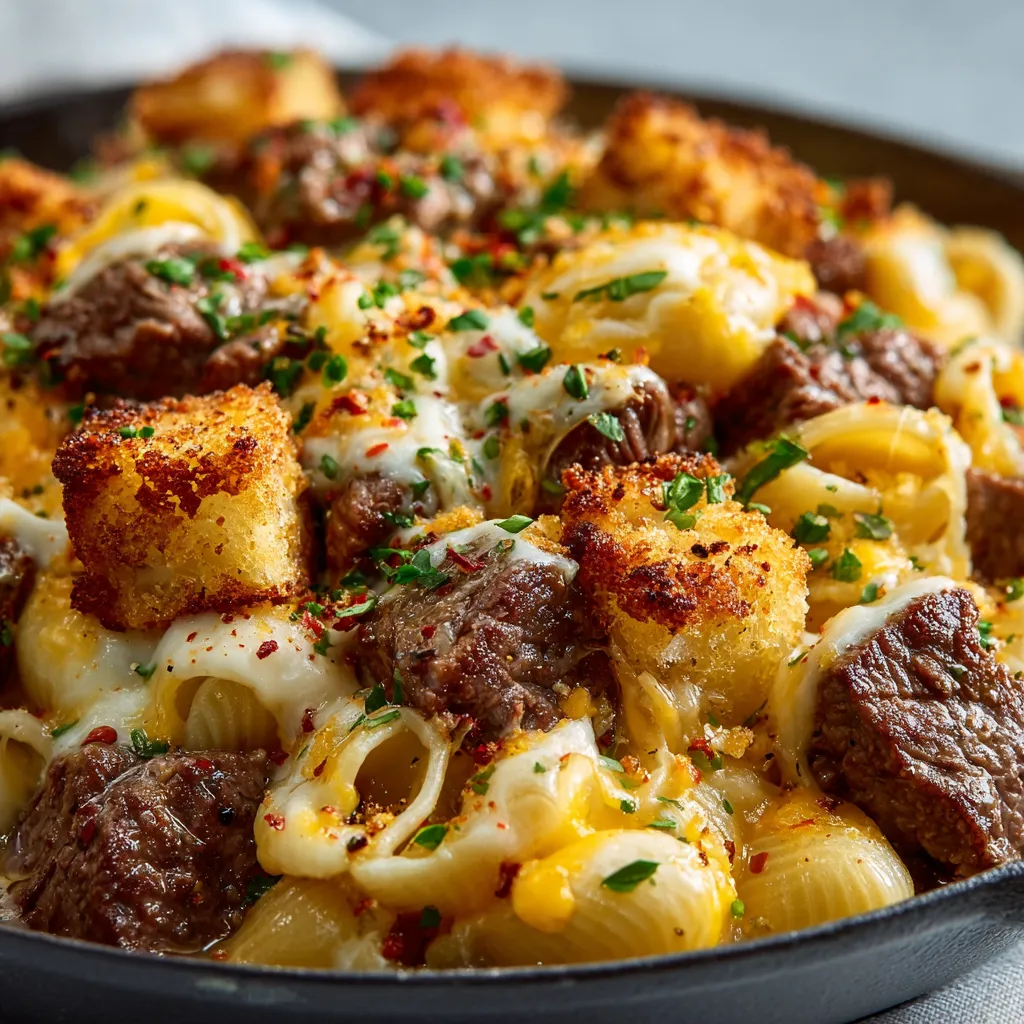 Here is the recipe you’ve been waiting for!
Ingredients:
- 1.5 lbs sirloin steak, cut into 1-inch cubes
- 2 tbsp Cajun seasoning (adjust to your spice preference)
- 1 tbsp olive oil or avocado oil
- 2 tbsp butter
- 2 cloves garlic, minced
- 1/4 cup beef broth
- 1 tbsp Worcestershire sauce
- 1 tbsp chopped fresh parsley, for garnish (optional)
Equipment:
- Large cast iron skillet or heavy-bottomed skillet
- Mixing bowl
- Measuring spoons and cups
Instructions:
- Prepare the Steak: Pat the steak cubes completely dry with paper towels. This is crucial for achieving a good sear. Place the steak in a mixing bowl and toss with the Cajun seasoning, ensuring each piece is evenly coated.
- Sear the Steak: Heat the oil in a large cast iron skillet over high heat until it’s shimmering and almost smoking. Add the steak cubes in a single layer, being careful not to overcrowd the pan. Work in batches if necessary. Sear for 2-3 minutes per side, until a rich brown crust forms.
- Create the Sauce: Remove the steak from the skillet and set aside. Reduce the heat to medium. Add the butter and minced garlic to the skillet. Cook for about 30 seconds, until fragrant, being careful not to burn the garlic.
- Simmer and Reduce: Pour in the beef broth and Worcestershire sauce. Scrape up any browned bits from the bottom of the pan (this is where a lot of flavor resides!). Bring the sauce to a simmer and cook for 2-3 minutes, or until it has slightly thickened.
- Combine and Finish: Return the steak to the skillet and toss to coat in the sauce. Cook for another minute or two, until the steak is heated through and the sauce has further thickened. Be careful not to overcook the steak at this stage.
- Serve: Garnish with chopped fresh parsley, if desired. Serve immediately and enjoy! These Cajun steak bites are fantastic on their own, over rice, or even in tacos.
Through the Flames: My Cajun Steak Bites Investigation
My journey to perfecting Cajun steak bites was paved with both delicious victories and frustrating setbacks. Like many of you, I initially thought simply tossing steak in Cajun seasoning and throwing it in a pan would suffice. My first few attempts were a disaster. The steak was either overcooked and dry, or undercooked and bland. It was a culinary rollercoaster of disappointment.The Soggy Saga
My first major hurdle was achieving a proper sear. The steak would release a lot of moisture, leading to a steaming effect rather than a beautiful, browned crust. I tried increasing the heat, but that only resulted in burnt seasoning and still-soggy meat. I was on the verge of giving up and just making Steak Tortellini instead.The “Aha!” Moment: Moisture Control is King
Then, I had an “Aha!” moment. I realized the importance of patting the steak completely dry before adding it to the pan. This simple step made a world of difference! By removing excess moisture, I allowed the Maillard reaction to work its magic, creating a deep, flavorful sear.The Seasoning Struggle
Next, I tackled the seasoning issue. Initially, I was too heavy-handed with the Cajun seasoning, resulting in an overly salty and sometimes bitter flavor. I experimented with different brands and amounts, eventually finding the perfect balance. I also discovered that allowing the steak to sit with the seasoning for a short period (about 15-20 minutes) helped the flavors meld together.The Great Fat Debate
Finally, I experimented with different cooking fats. I started with olive oil, which worked okay, but it tended to smoke at higher temperatures. Then, I tried avocado oil, which had a higher smoke point and produced a better sear. But the real game-changer was adding a knob of butter towards the end of cooking. The butter not only added richness and flavor but also helped to create a beautiful, glossy sauce. This is how I ended up creating a dish even better than Steak Cheddar Potato Casserole.The Sauce Savant
The sauce! I’ve tried so many combinations. Some recipes I looked at used wine to deglaze and create the base, but I find the beef broth and Worcestershire sauce brings just the right amount of savory depth to balance the spice of the cajun blend. It also works well with Queso Rice With Steak, if you have leftovers.The Perfect Bite: The Foolproof Technique in 5 Steps
After countless experiments and taste tests, I’ve distilled the process down to a few key steps that guarantee perfect Cajun steak bites every time. Forget ordering out, you’ll be making this instead of Spicy Garlic Butter Steak With Cheddar Cream Rotini in no time!- Dry, Dry, Dry: Pat the steak cubes completely dry with paper towels before seasoning. This is the single most important step for achieving a good sear.
- High Heat is Your Friend: Use a cast iron skillet or heavy-bottomed skillet and heat it over high heat until it’s shimmering and almost smoking.
- Don’t Overcrowd: Sear the steak in batches to avoid overcrowding the pan. This ensures each piece gets a proper sear.
- Garlic, then Deglaze: Add the garlic to the pan first. After removing the steak, deglaze the pan with beef broth and Worcestershire sauce to create a flavorful sauce.
- Don’t Overcook: Return the steak to the pan and toss to coat in the sauce, cooking for just a minute or two until heated through. Overcooking will result in tough, dry steak.
What is the key to getting a good sear on the steak bites?
The most important step is to pat the steak cubes completely dry with paper towels before seasoning. This removes excess moisture and allows the Maillard reaction to occur, creating a deep, flavorful sear.
Why is it important not to overcrowd the pan when searing the steak bites?
Overcrowding the pan lowers the pan’s temperature, leading to steaming instead of searing. This prevents the steak from developing a proper crust. Work in batches to ensure each piece gets a good sear.
What kind of fat is best to use when searing the steak bites?
Fats with high smoke points, like avocado oil or clarified butter, are ideal because they can withstand the high temperatures necessary for optimal searing without burning. Adding butter towards the end also adds richness and flavor.
What is the Maillard reaction and why is it important for this recipe?
The Maillard reaction is a chemical reaction between amino acids and reducing sugars that occurs during browning. It’s responsible for the savory, umami-rich flavors in the steak bites. High heat is crucial for this reaction.
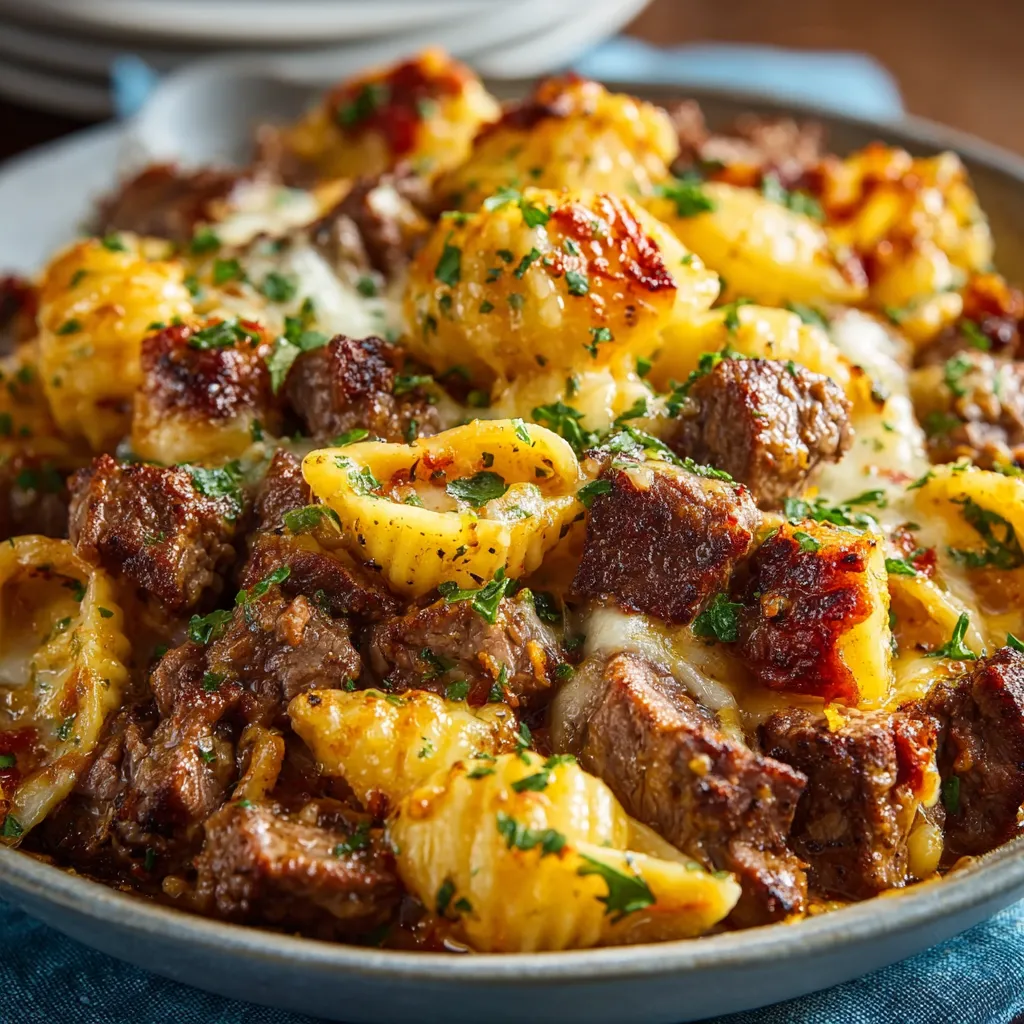
Best Cajun Steak Bites Skillet
Ingredients
Equipment
Method
- Pat the steak cubes completely dry with paper towels. Place the steak in a mixing bowl and toss with the Cajun seasoning, ensuring each piece is evenly coated.
- Heat the oil in a large cast iron skillet over high heat until it’s shimmering and almost smoking. Add the steak cubes in a single layer, being careful not to overcrowd the pan. Work in batches if necessary.
- Sear for 2-3 minutes per side, until a rich brown crust forms.
- Remove the steak from the skillet and set aside. Reduce the heat to medium.
- Add the butter and minced garlic to the skillet. Cook for about 30 seconds, until fragrant, being careful not to burn the garlic.
- Pour in the beef broth and Worcestershire sauce. Scrape up any browned bits from the bottom of the pan.
- Bring the sauce to a simmer and cook for 2-3 minutes, or until it has slightly thickened.
- Return the steak to the skillet and toss to coat in the sauce. Cook for another minute or two, until the steak is heated through and the sauce has further thickened. Be careful not to overcook the steak at this stage.
- Garnish with chopped fresh parsley, if desired. Serve immediately and enjoy!