
Deconstructing Deliciousness: The Science Behind Garbage Bread
The magic of Garbage Bread lies in a few key scientific principles, all working in harmony to create a flavor explosion. First, we have the Maillard reaction, the browning process that occurs when amino acids and reducing sugars are heated. This is responsible for the beautiful golden crust and the complex, nutty flavors. Then there’s the textural contrast: the soft, pillowy interior of the bread juxtaposed with the crispy, often cheesy, exterior. Finally, and perhaps most importantly, there’s the interplay of flavors. Sweet, savory, salty – a well-executed Garbage Bread hits all the right notes, creating a deeply satisfying culinary experience. Understanding these principles is crucial for achieving Garbage Bread perfection, far beyond simply throwing leftover ingredients together. We aim for a balanced, intentional medley, not just a haphazard compilation.The Motherload Recipe: Your Guide to Garbage Bread Nirvana
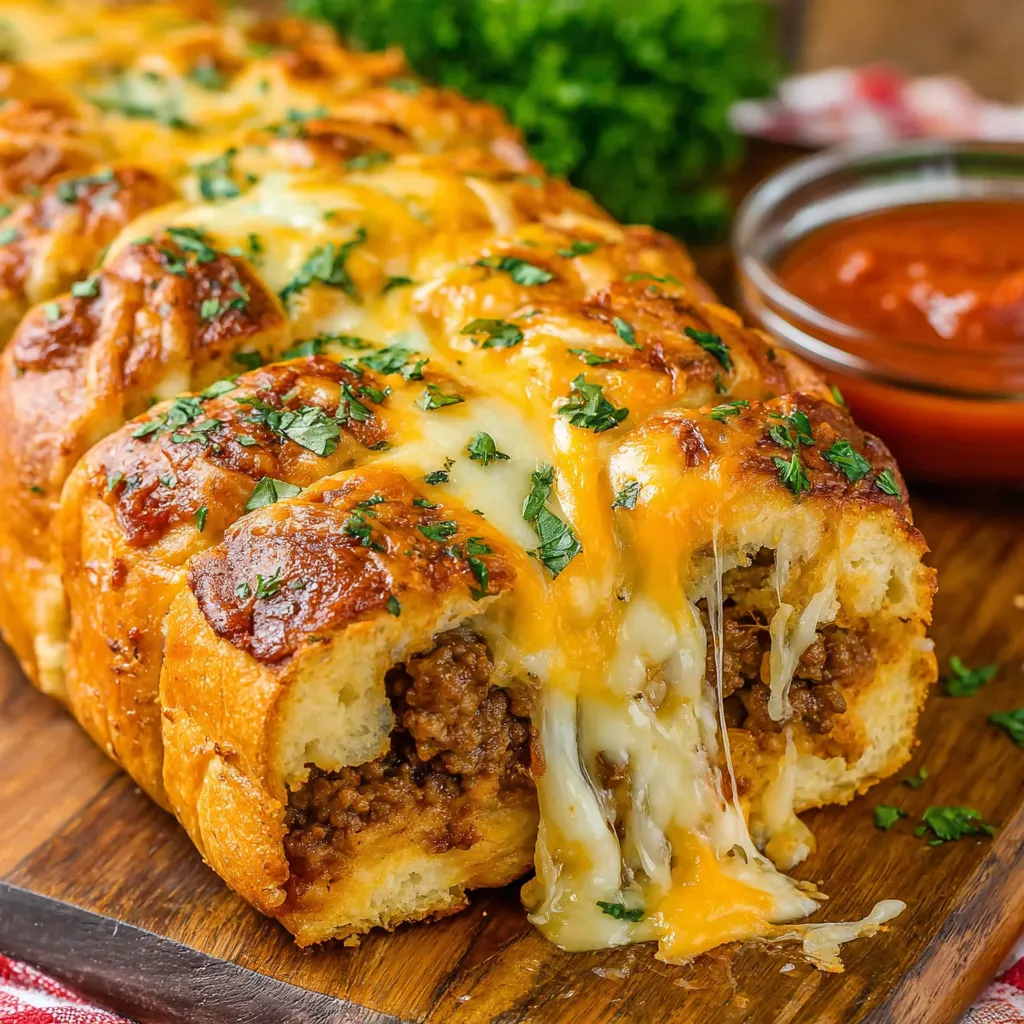 This recipe focuses on maximizing flavor and texture, ensuring a consistently delicious result.
Ingredients:
- For the Dough:
- 1 package (0.25 ounce) active dry yeast
- 1 teaspoon sugar
- 1 cup warm water (105-115°F)
- 2 1/2 cups all-purpose flour, plus more for dusting
- 1 teaspoon salt
- 2 tablespoons olive oil, plus more for greasing
- For the Filling:
- 1/2 pound Italian sausage, cooked and crumbled
- 1/2 cup pepperoni, sliced
- 1/2 cup cooked bacon, crumbled
- 1/2 cup green bell pepper, diced
- 1/2 cup red onion, diced
- 1 (14.5 ounce) can diced tomatoes, drained
- 1 cup shredded mozzarella cheese
- 1/2 cup shredded provolone cheese
- 1/4 cup grated Parmesan cheese
- 2 tablespoons butter, melted
- 1 teaspoon garlic powder
- 1 teaspoon Italian seasoning
- Pinch of red pepper flakes (optional)
Instructions:
- Prepare the Dough: In a large bowl, dissolve yeast and sugar in warm water. Let stand for 5 minutes, or until foamy.
- Add flour, salt, and olive oil to the yeast mixture. Stir until a shaggy dough forms.
- Turn the dough out onto a lightly floured surface and knead for 5-7 minutes, or until smooth and elastic.
- Place the dough in a lightly oiled bowl, turning to coat. Cover with plastic wrap and let rise in a warm place for 1-1.5 hours, or until doubled in size.
- Prepare the Filling: While the dough is rising, prepare the filling. In a large bowl, combine cooked sausage, pepperoni, bacon, green bell pepper, red onion, diced tomatoes, mozzarella cheese, provolone cheese, Parmesan cheese, garlic powder, Italian seasoning, and red pepper flakes (if using).
- Assemble the Garbage Bread: Preheat oven to 375°F (190°C). Grease a 9×13 inch baking dish.
- Punch down the dough and roll it out into a large rectangle, about 12×18 inches.
- Spread the filling evenly over the dough.
- Starting from one long edge, tightly roll the dough up into a log.
- Using a sharp knife or pizza cutter, slice the log into 1-inch thick slices.
- Arrange the slices, cut-side up, in the prepared baking dish.
- Brush the tops of the slices with melted butter.
- Bake: Bake for 25-30 minutes, or until golden brown and the cheese is melted and bubbly.
- Let cool slightly before serving.
My Descent into Deliciousness: The Garbage Bread Chronicles
My journey to Garbage Bread mastery was not a smooth, direct path. It was a winding road filled with soggy bottoms, burnt tops, and flavor combinations that, while technically edible, were far from the culinary masterpiece I envisioned. Like many of you, I initially thought Garbage Bread was just a free-for-all, a chance to empty the fridge of leftovers. My first few attempts were a disaster.The Soggy Saga: Episode One
My initial mistake was using too many wet ingredients. Diced tomatoes straight from the can, un-drained, along with a hefty dose of ricotta cheese (because, why not?) resulted in a bread that was more like a soggy casserole than a delightful pull-apart. The bottom was a gummy mess, and the filling was a watery, flavorless soup. Lesson learned: moisture control is paramount.The Great Garlic Gamble
Then, I had an “Aha!” moment involving garlic. In my quest for maximum flavor, I went overboard with the minced garlic. The result? A bread that tasted overwhelmingly of raw garlic, overpowering all the other ingredients. It was pungent, to say the least, and not in a good way. I considered renaming it “Garlic Bomb Bread.” I then realized the importance of garlic powder in the initial filling and fresh garlic in the melted butter brushed on the crust.Cheese, Glorious Cheese (But Not *Too* Much)
Cheese is a critical component, but even cheese has its limits. I once used a bizarre combination of cheeses – sharp cheddar, bleu cheese, and pepper jack – thinking it would create a complex flavor profile. It did, but it was overwhelmingly pungent and frankly, unpleasant. The bleu cheese overpowered everything. I learned that sticking to classic pizza cheese combinations like mozzarella, provolone, and parmesan is the safest bet. It also made me think of other cheese-centric dishes, like the Cheeseburger Pie, where the cheese is carefully selected to complement the other ingredients.The Sausage Situation: A Balancing Act
The choice of sausage also proved crucial. Mild Italian sausage is generally a safe bet, but I experimented with spicier varieties, hoping to add a kick. The results were mixed. Sometimes it worked, sometimes it was too much. I found that using a combination of mild and hot Italian sausage can provide a good balance, but it requires careful consideration of the other ingredients. This is a fine line.The ‘Aha!’ Moment: Mastering the Maillard
Finally, after numerous trials and errors, I had a breakthrough. It wasn’t just about the ingredients, but about the technique. Brushing the bread with melted butter before baking, and ensuring the oven was at the right temperature, was key to achieving that golden-brown, crispy crust that is the hallmark of great Garbage Bread. Focusing on the Maillard reaction, and promoting it with the right temperature and fats, truly elevated my Garbage Bread game. Plus, that golden color reminds me of a dish I adore, the Chicken Alfredo Monkey Bread, where the visual appeal is just as important as the taste.Cracking the Code: The Foolproof Garbage Bread Technique
After countless iterations, I’ve distilled the process into a simple, repeatable technique. Follow these steps, and you’ll be well on your way to Garbage Bread perfection.- Moisture Control is King: Drain canned tomatoes thoroughly. Avoid overly wet ingredients like ricotta cheese.
- Garlic with Finesse: Don’t overdo it with the fresh garlic. Use garlic powder in the filling for a subtle background flavor, and fresh garlic in the melted butter for the crust.
- Cheese Harmony: Stick to classic pizza cheese combinations like mozzarella, provolone, and parmesan. Avoid overly strong or pungent cheeses.
- Sausage Strategy: Mild Italian sausage is generally a safe bet. If using spicier varieties, balance them with other ingredients.
- The Maillard Magic: Brush the bread with melted butter before baking to promote browning and crispiness. Ensure the oven is at the right temperature (375°F/190°C).
- The Slice and Arrange: Make sure to use a SHARP knife or pizza cutter to cut the dough into slices, don’t just hack at it with a dull knife. Properly arrange the slices cut-side up so they have maximum browning potential.
What is the key to preventing soggy Garbage Bread?
Moisture control is essential. Drain canned tomatoes thoroughly and avoid using overly wet ingredients like ricotta cheese.
What are the best cheeses to use for Garbage Bread?
Stick to classic pizza cheese combinations like mozzarella, provolone, and parmesan. Avoid overly strong or pungent cheeses like bleu cheese.
What temperature should I bake Garbage Bread at?
Bake the Garbage Bread at 375°F (190°C) for 25-30 minutes, or until golden brown and the cheese is melted and bubbly.
Why is brushing the bread with melted butter important?
Brushing the bread with melted butter before baking promotes browning and crispiness, thanks to the Maillard reaction.
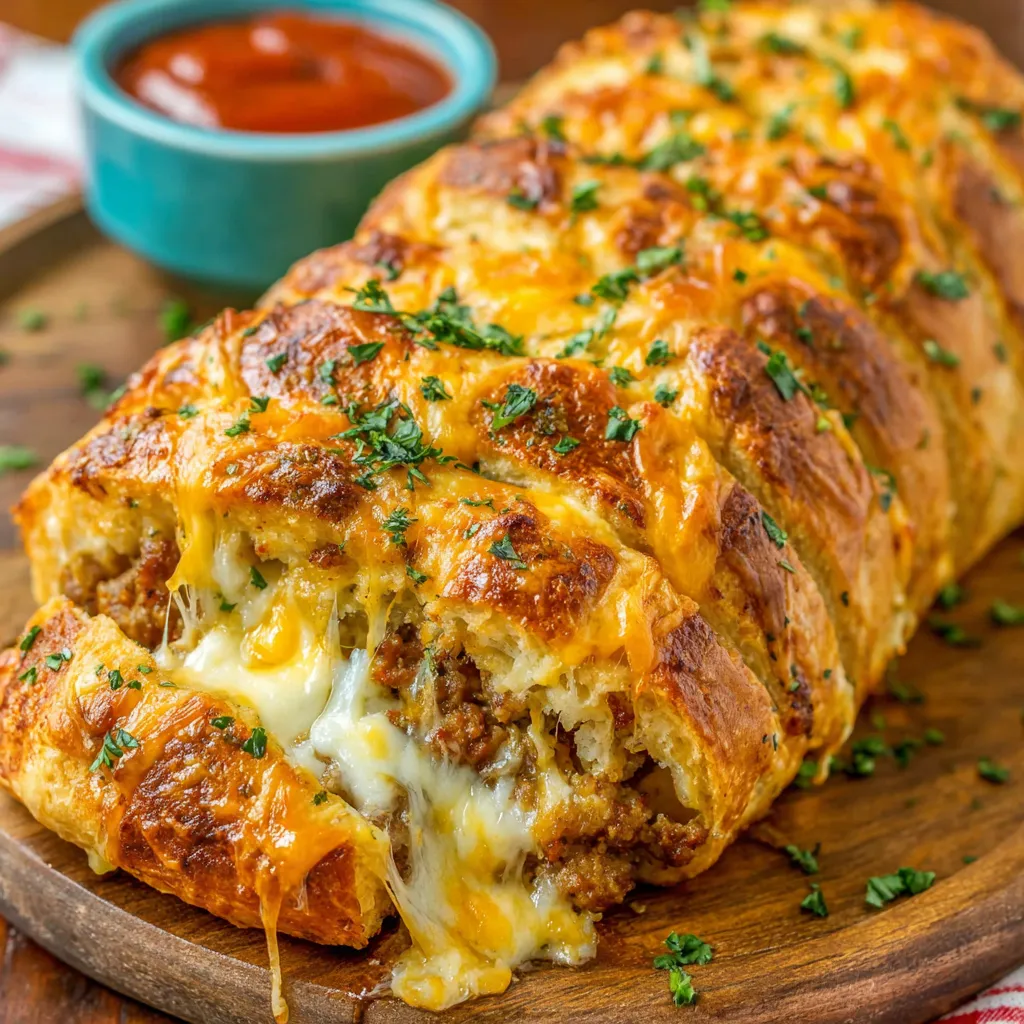
Ultimate Garbage Bread
This Ultimate Garbage Bread recipe transforms leftover ingredients into a savory and satisfying pull-apart bread. Featuring a homemade dough filled with Italian sausage, pepperoni, bacon, vegetables, and a blend of cheeses, this recipe offers a delicious way to minimize waste and maximize flavor. The golden-brown, crispy crust and soft, pillowy interior make it an irresistible dish for sharing.
Ingredients
Equipment
Method
- Prepare the Dough: In a large bowl, dissolve yeast and sugar in warm water. Let stand for 5 minutes, or until foamy.
- Add flour, salt, and olive oil to the yeast mixture. Stir until a shaggy dough forms.
- Turn the dough out onto a lightly floured surface and knead for 5-7 minutes, or until smooth and elastic.
- Place the dough in a lightly oiled bowl, turning to coat. Cover with plastic wrap and let rise in a warm place for 1-1.5 hours, or until doubled in size.
- Prepare the Filling: While the dough is rising, prepare the filling. In a large bowl, combine cooked sausage, pepperoni, bacon, green bell pepper, red onion, diced tomatoes, mozzarella cheese, provolone cheese, Parmesan cheese, garlic powder, Italian seasoning, and red pepper flakes (if using).
- Assemble the Garbage Bread: Preheat oven to 375°F (190°C). Grease a 9×13 inch baking dish.
- Punch down the dough and roll it out into a large rectangle, about 12×18 inches.
- Spread the filling evenly over the dough.
- Starting from one long edge, tightly roll the dough up into a log.
- Using a sharp knife or pizza cutter, slice the log into 1-inch thick slices.
- Arrange the slices, cut-side up, in the prepared baking dish.
- Brush the tops of the slices with melted butter.
- Bake: Bake for 25-30 minutes, or until golden brown and the cheese is melted and bubbly.
- Let cool slightly before serving.
Notes
Moisture control is key to avoid a soggy bottom. Drain canned tomatoes thoroughly and avoid using overly wet ingredients like ricotta cheese. Brush the bread with melted butter before baking to promote browning and crispiness. Experiment with different meats, vegetables, and cheeses to customize the filling to your liking. Store leftovers in an airtight container in the refrigerator for up to 3 days. Reheat in the oven or microwave.